Pizza Peel Alternatives: Easy Tools to Use at Home
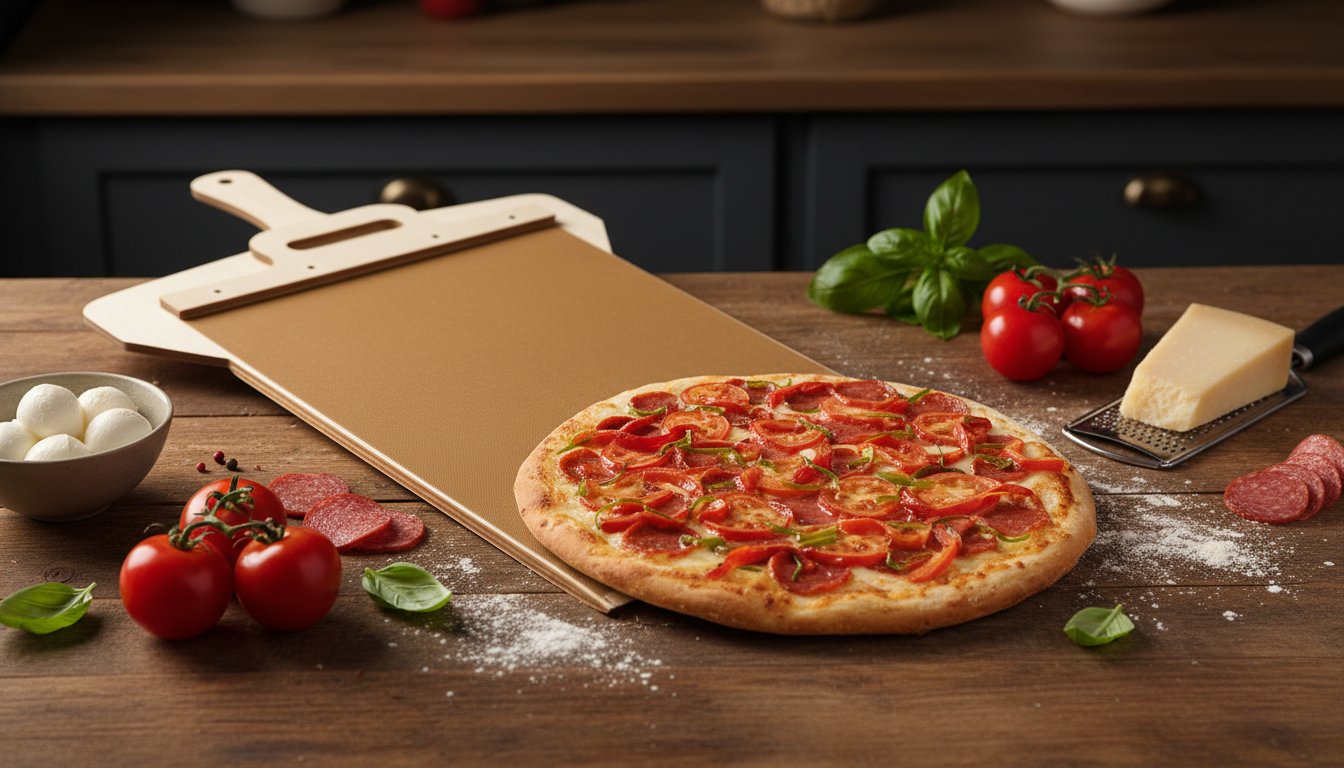
What to use instead of a pizza shovel?
If a pizza peel (often called a “pizza shovel”) isn’t available, you can still load and remove pizza safely with a few common kitchen tools. The best substitute depends on your setup—pizza stone, steel, sheet pan, or grill—and how wet your dough is.
Best at-home substitutes for a pizza peel
Rimless (or flipped) baking sheet: Turn a rimmed sheet pan upside down so the flat underside acts like a peel. Dust with flour or cornmeal, build the pizza on parchment, then slide it onto the stone or steel.
Parchment paper “sling”: Assemble the pizza on parchment and transfer it by gripping the edges. Once the crust sets (usually 2–4 minutes), you can tug the parchment out from under the pizza to improve browning.
Cutting board (wood or plastic): A sturdy board can work like a peel for smaller pizzas. Lightly dust it, keep toppings minimal near the edges, and give the board a quick shake before transferring to ensure the pizza still moves.
Large flat spatula(s): For removing a pizza, a wide metal spatula can lift and slide it onto a plate or rack. Two spatulas make it easier to support the crust without folding.
How to make any substitute work better
Use less flour than you think: Too much bench flour can burn on a stone or steel. A light dusting plus a quick “shake test” (pizza slides freely) is usually enough.
Chill sticky dough briefly: If the dough is very soft, a 10–15 minute rest in the fridge can reduce sticking and tearing during transfer.
Build fast, then bake: The longer sauced dough sits, the more it glues itself to the surface. Pre-measure toppings so you can assemble quickly.
When you should still consider a real peel
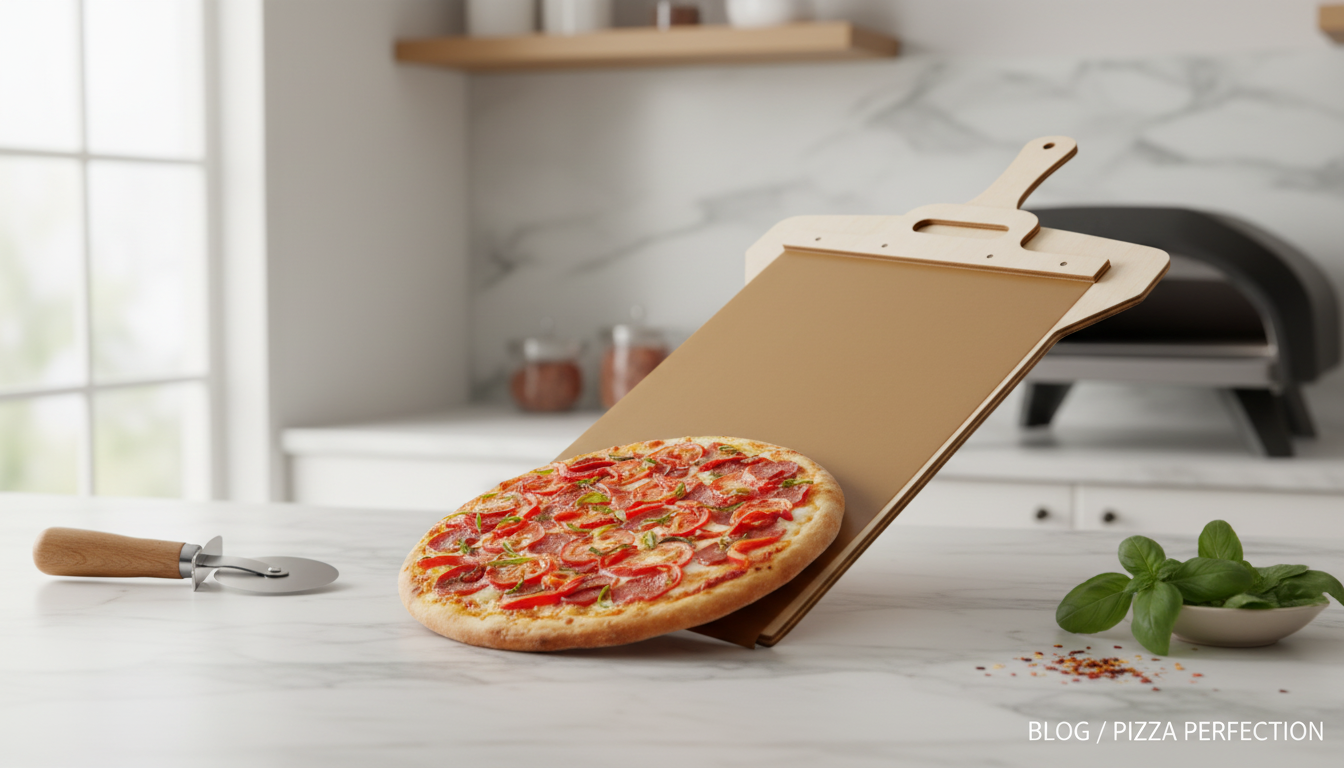
If you bake pizza often, a peel speeds up launches and makes retrieval easier—especially for larger pies. For more options and step-by-step tips, see the full guide here: https://primetrendvault.shop/what-to-use-instead-of-a-pizza-shovel/.
FAQ
Can I put pizza directly on the oven rack?
Yes, but it’s easiest with a firmer dough and a fully preheated oven. For softer doughs, start on a preheated stone/steel or use parchment to prevent sagging and misshaping.









Leave a comment